.png?width=45&name=MicrosoftTeams-image%20(4).png)
.png)
At least 60% of the customers organisations communicate with daily display one or more characteristics of vulnerability (YouGov, 2025). When communications are not designed to work for customers with reduced capacity, confusion increases, engagement drops and churn risk rises. Better communication does not remove vulnerability, but it does reduce friction, build trust and help customers act, all of which are critical for retention.
Our latest report, The Retention Risk of Hidden Vulnerability, explores how communication breakdowns accelerate churn for vulnerable audiences, and what organisations can do to retain customers before disengagement begins.
.png?width=793&height=264&name=Q2_EvergreenReport_EmailCTA_Stage01%20(1).png)
Why Communication Failures Drive Vulnerable Customers Away
Vulnerable audiences are more sensitive to communication failures because their ability to process information is often reduced by circumstance, not choice. Financial pressure, health challenges, bereavement, stress, low digital confidence or language barriers all limit how much complexity a customer can absorb at a given moment.
When communications are dense, poorly timed or unclear, they add cognitive and emotional strain. Customers lose confidence, delay action or disengage entirely. Over time, this erodes trust and increases the likelihood of churn.
Vulnerability is also fluid. Many customers move in and out of vulnerability as life events change. A message that feels manageable one month can become overwhelming the next. This makes rigid, generic communications particularly risky for retention.
As the FCA states, early detection and adaptation matter: “With the right tools, spotting these patterns early creates an opportunity to adjust messages, clarify steps or offer alternative channels before harm occurs” (FCA, 2025).
How Poor Communication Creates a Retention Downward Spiral
Poor communication rarely causes churn immediately. Instead, it triggers a gradual breakdown in engagement:
-
Confusing or poorly timed messages
-
Reduced understanding and confidence
-
Missed payments, delayed decisions or abandoned journeys
-
Increased effort required from the customer
-
Loss of trust and emotional disengagement
Once customers associate a brand with stress or confusion, they are far more likely to leave, and often without complaint.
Breaking the Cycle: How Video Improves Retention
Better communication combines clarity, empathy and adaptability. For vulnerable audiences, formats that reduce effort and increase understanding are essential. This is where personalised and interactive video becomes a powerful retention tool.
Reducing Cognitive Load Through Visual Storytelling
Text-heavy communications demand sustained attention and interpretation, which is something vulnerable customers may not have. Video simplifies complexity by using visuals, motion and voice to explain information quickly and clearly.
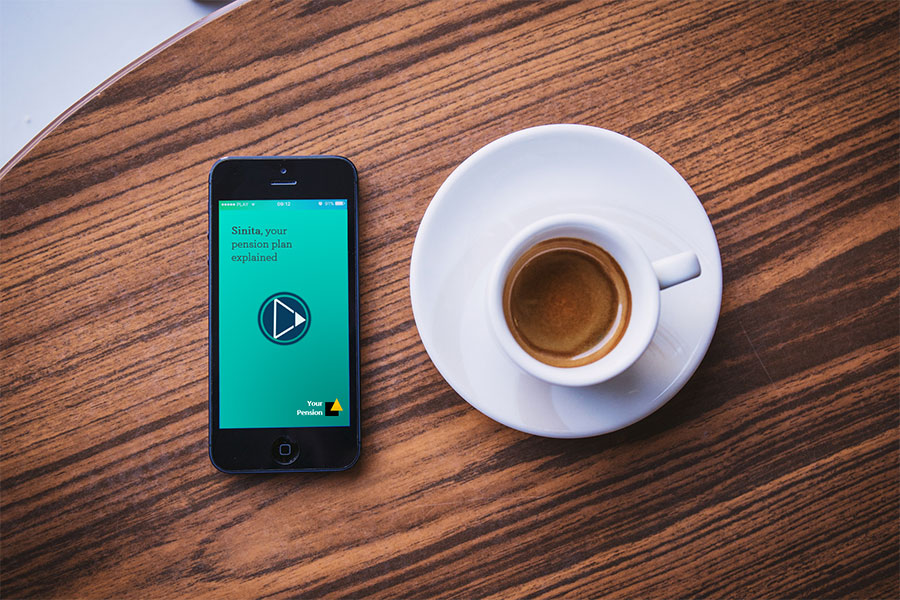
A short explainer video can replace pages of dense text, communicating key points in a way that feels supportive rather than demanding. For example, an interactive bill explainer can visually highlight charges, show how totals are calculated and guide customers through next steps, reducing confusion that often leads to missed payments or churn.
Personalisation That Builds Trust
Generic messages that aren't on a one-to-one level increase disengagement, especially for vulnerable customers. In contrast, personalised video allows organisations to tailor content using existing customer data, so messages reflect individual context and recent interactions.
A renewal video might reference a customer’s policy details, highlight relevant changes and clearly explain next steps based on their payment history. This signals understanding and care and makes customers more likely to stay loyal.
For customers with low digital confidence, another common vulnerability, personalised onboarding videos can build confidence by explaining processes clearly and calmly, reducing abandonment during critical early journeys.
Interactivity That Enables Action
Interactive video empowers customers to act at their own pace. Clickable elements, branching paths and embedded tools allow customers to explore information without navigating complex systems.
By combining explanation and action in a single guided experience, interactive video removes friction from decision-making. This is particularly valuable for vulnerable customers who may struggle with traditional multi-step processes.
Retention Is Earned Through Understanding
Customers stay with organisations that make complexities feel simple and human, especially during difficult moments. Vulnerable audiences are highly sensitive to communication missteps, and every unclear interaction increases the risk of disengagement.
Better communication builds trust, reduces friction and supports customers when they need it most. With around 60% of customers experiencing some form of vulnerability, according to YouGov, 2025, every message is a retention moment.
Personalised and interactive video transforms communication into a strategic driver of loyalty, helping organisations retain customers they might otherwise lose.
The Retention Risk of Hidden Vulnerability: Read the Report
Our latest report, The Retention Risk of Hidden Vulnerability, uncovers the hidden patterns of vulnerability, highlights how communication failures drive churn, and includes proven strategies for building loyalty with vulnerable audiences.
.png?width=760&height=253&name=Q2_EvergreenReport_EmailCTA_Stage013%20(1).png)
FAQs
Why are vulnerable customers more likely to churn after communication failures?
Vulnerable customers often have reduced capacity to process complex or poorly timed messages. Repeated confusion erodes trust and confidence, leading to disengagement, missed actions and silent churn, even when products or pricing remain competitive.
How does video help vulnerable customers understand complex information?
Video reduces cognitive load by using visuals, voice and structure to explain information quickly and clearly. This makes it easier for customers to absorb key messages without needing to read or interpret dense text, particularly during stressful situations.
What makes personalised video more effective than generic communication?
Personalised video reflects a customer’s individual context, using relevant data to tailor explanations and next steps. This signals understanding, builds trust and increases the likelihood that customers will act and stay engaged.
How does interactive video support customer retention?
Interactive video allows customers to explore information and take action at their own pace within a single guided experience. By reducing steps and friction, it helps prevent drop-off and supports vulnerable customers through complex decisions.
Who is considered a vulnerable customer?
A vulnerable customer is anyone whose circumstances reduce their ability to understand, engage with or act on communications. This can include financial pressure, health conditions, bereavement, low digital confidence, language barriers or temporary life events. Vulnerability is often situational and can affect customers at any time.
Do vulnerable customers always know or identify themselves as vulnerable?
No. Many customers do not recognise themselves as vulnerable, particularly when challenges feel temporary or personal. Because vulnerability can be financial, health-related, digital or situational, customers often do not self-declare, making clear and adaptive communication essential for retention.
Get in touch at hello@videosmart.com.